

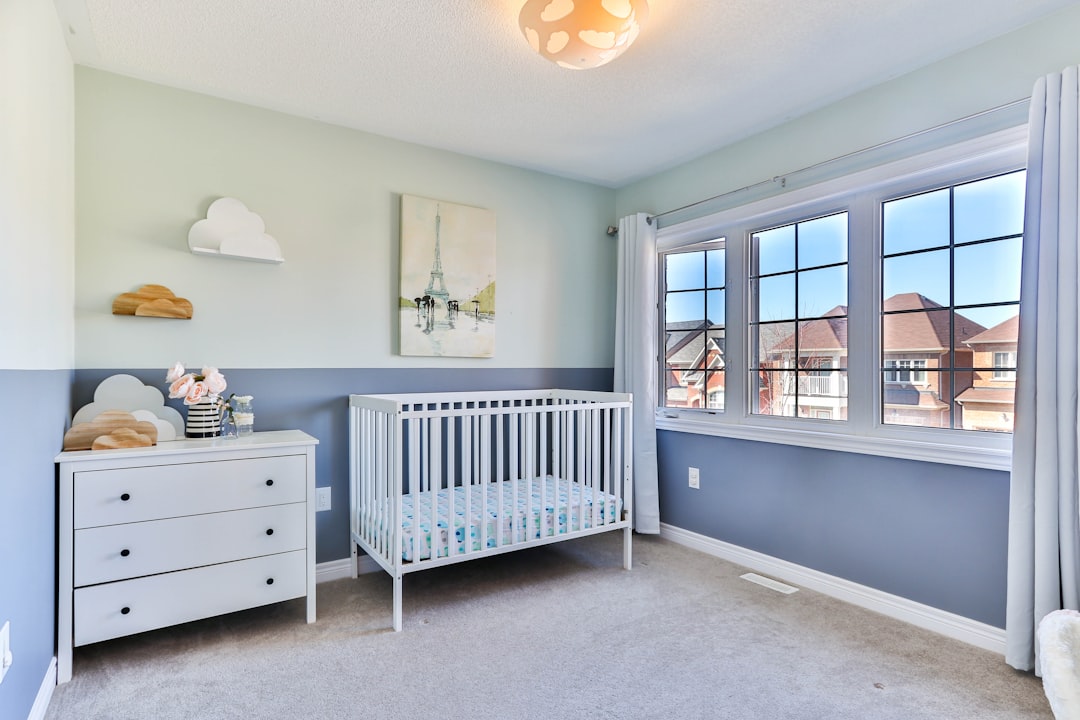
Welcoming a new baby brings joy—and a lot of gear. Smart nursery organization reduces stress, shortens search times for essentials, and keeps the room safe for both baby and caregivers. The goal is a nursery that supports predictable routines with minimal effort.
This guide gives practical, actionable tips for new parents: how to set up zones, choose multipurpose furniture, streamline diaper and clothing systems, and maintain order without spending all your free time tidying.
1. Plan the room by zones
Divide the nursery into functional zones: sleeping, changing, feeding, play, and storage/cleaning. Map these zones before buying furniture so pathways are clear and the most-used items sit closest to where they’re needed. For example, keep diapers and wipes within arm’s reach of the changing table, and position the feeding chair near a small side table for bottles, burp cloths, and a water cup.
Consider how your gear fits into broader household systems—if you rely on kitchen or living-room storage for overflow, make those choices purposeful so the nursery remains uncluttered. Browse coordinated options in the Home and Kitchen category when selecting accent pieces or small storage solutions that match the house aesthetic.
2. Invest in the right furniture
Choose pieces that combine storage and function: a dresser that doubles as a changing table, cribs with built-in drawers, or shelving units with bins. Modular furniture lets you adapt as your baby grows—an inexpensive swap later is better than an ill-fitting permanent fixture now.
When selecting larger items, prioritize durability, safety certifications, and measured dimensions so you avoid blocking windows or access to outlets. See sturdy, multiuse options in the Furniture category to compare styles and storage capacities.
3. Build an efficient diapering station
A well-organized diaper station speeds changes and reduces stress. Keep one changing pad on top of a dresser or changing table with three tiers of supplies: immediate items (diapers, wipes, ointment), secondary items (spare onesies, burp cloths), and overflow (bulk diapers, laundry bin).
Use clear or labeled bins for quick inventory checks and a small caddy to transport essentials between rooms. Stock a small supply of cleaning and sanitary items nearby so spills and messes are handled fast—check household cleaning basics in the Household Supplies section if you’re creating a restock list.
4. Simplify clothing storage and laundry flow
Create a simple, reproducible system for baby clothes. Sort garments by size and season, not by color; babies grow quickly, and you’ll want the right size at hand. Use shallow drawers or divided baskets for everyday items (onesies, pajamas, socks) and a separate bin for “next size up.”
Have a designated laundry basket in or near the nursery to separate baby clothes from household laundry. For rapid outfit changes, keep a small stack of pre-selected outfits on a low shelf or in a drawer so sleep-deprived parents don’t have to think. If you need baby clothes or gift-appropriate garment options, check the Clothing category for examples.
5. Manage toys and sensory items with rotation
Toys can overwhelm a small space. Limit the number of toys out at once and rotate them weekly. Use labeled bins and open baskets for easy access; closed boxes work for older babies where supervision is required. A rotation system keeps play fresh and reduces the time spent re-organizing.
Keep developmental toys near the play zone and check for age-appropriate safety (no small choking parts). Use vertical storage—wall shelves or hanging organizers—to free floor space while keeping favorites visible.
6. Create quick-clean routines
Short, consistent cleaning habits prevent clutter from building up. Spend five minutes after each feeding or diaper change to wipe surfaces, fold a couple of items, and return toys to bins. Create a nightly 10-minute tidy routine—reset the changing station, fold laundry, and sweep any loose debris.
Use washable bins, machine-washable textiles, and organizers that wipe clean easily. A small caddy of cleaning essentials kept out of baby’s reach makes quick maintenance simple without a lot of thought.
7. Prioritize safety and accessibility
Place frequently used items within easy reach to minimize reaching over the crib or changing table. Anchor tall furniture to studs, cover outlets, and use cordless window coverings where possible. Keep a baby monitor and a small nightlight near the crib for safe nighttime checks.
Label heavy or fragile bins and store them low or locked away. Keep small or hazardous items in a high cabinet or locked container—this reduces the need to constantly recheck the room for hazards.
8. Lighting, sound, and nighttime setup
Design a nighttime setup that supports quick, calm care. Use dimmable lights or plug-in nightlights to maintain low stimulation for feeding and changing. A small white-noise machine helps the baby sleep and masks household sounds.
Create a “night caddy” stocked with diapering supplies, a spare swaddle, and any feeding items you prefer for overnight—store it within arm’s reach of the chair or crib so you avoid fumbling in the dark.
Checklist: Quick nursery setup items
- Defined zones: sleeping, changing, feeding, play, storage
- Multiuse furniture (dresser/changing combo)
- Three-tier diaper station with caddy
- Shallow drawers or dividers for clothes by size
- Toy rotation bins and vertical storage
- Cleaning caddy with wipeable organizers
- Anchors for tall furniture and outlet covers
- Night caddy for overnight essentials
FAQ
Q: How do I prevent the nursery from becoming cluttered?
A: Adopt short daily tidy rituals, limit visible items, and use rotation systems for toys. Keep a weekly 10-minute reset routine.
Q: What’s the best way to store outgrown clothes?
A: Sort by size and season, label bins clearly, and store out-of-season or sentimental items in sealed containers to protect from dust and pests.
Q: How high should frequently used supplies be stored?
A: Store daily essentials within arm’s reach at a comfortable height for standing or sitting—typically waist to chest level for most caregivers. Reserve higher storage for bulk items.
Q: How can I keep nighttime changes calm and efficient?
A: Use dim lighting, keep a night caddy with immediate essentials, and avoid screens or bright lights that can fully wake the baby.
Q: When should I childproof the nursery?
A: Begin basic childproofing before baby becomes mobile: anchor furniture, secure cords, and cover outlets. Reassess as baby grows and becomes more active.
Conclusion
Smart nursery organization is about reducing friction: give yourself reachable essentials, multipurpose furniture, and short routines that scale as your baby grows. Set up zones, invest in a few key storage pieces, and maintain brief daily habits—these small steps add up to a calm, functional nursery you can rely on.