

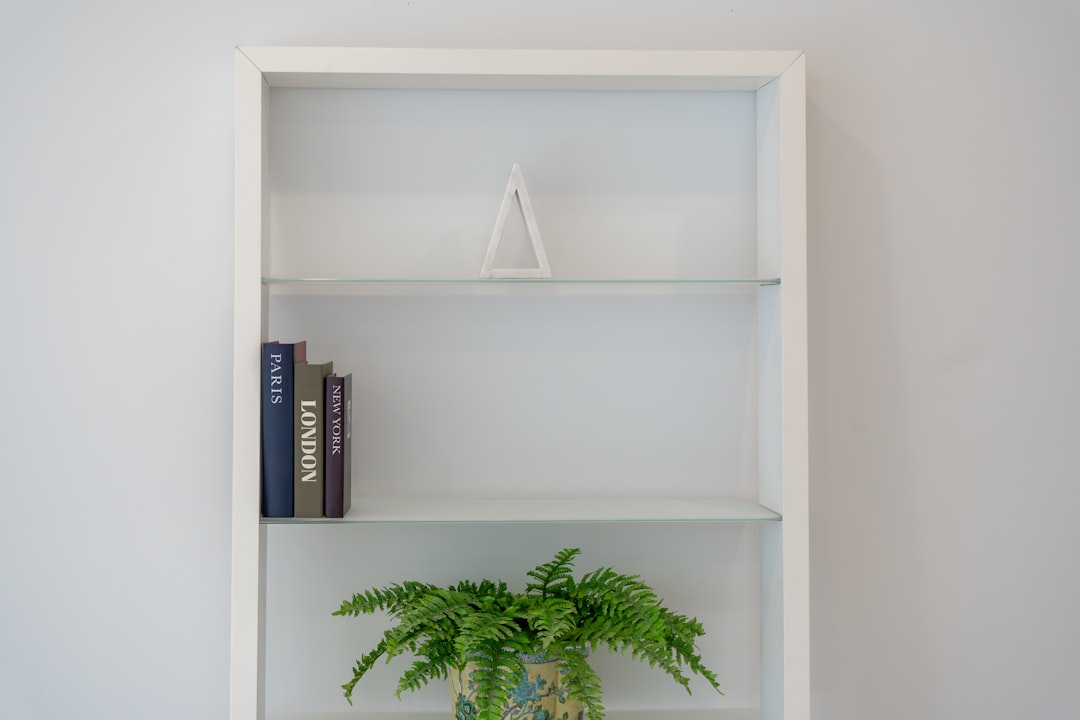
Home Organization Tips for a Cleaner Living Space
Clutter makes even a well-designed home feel smaller and less restful. With a few targeted strategies you can reclaim surfaces, simplify daily routines, and create a living space that’s easier to maintain.
Start by thinking in systems: where things belong, how they enter the home, and how often you use them. For practical products and category ideas to support these systems, explore the Home and Kitchen selection to find foundational tools and storage options.
1. Begin with a focused declutter
Decluttering isn’t an all-or-nothing event. Break it into 15–30 minute sessions and tackle one category or one space at a time (shoes, books, kitchen gadgets, etc.). Use these rules when deciding what stays:
- Have I used it in the last 12 months?
- Does it serve a clear purpose or spark joy?
- Can it be replaced easily if needed later?
Sort into four bins: keep, donate/sell, recycle, and trash. Label each so you can move through rooms quickly and avoid second-guessing decisions.
2. Create functional zones
Assign specific activities a place: a mail/drop zone near the door, a homework/study nook, a meal prep triangle in the kitchen. Zones reduce surface overflow because each activity has a natural landing spot for the items it uses.
For example, designate a small tray or basket for keys, wallets, and sunglasses at the entry to stop them from migrating across the home. A narrow console with a drawer or hooks below can serve the same purpose without taking up much floor space.
3. Invest in purposeful storage and furniture
Storage isn’t one-size-fits-all. Choose furniture that doubles as storage (ottomans with lids, beds with drawers, shelving with baskets) to keep frequently used items accessible but out of sight. When selecting pieces, prioritize durability and modularity so they adapt as needs change.
Browse compact, multi-functional options and ideas in the Furniture collection to find items that fit both form and function for small spaces or high-traffic areas.
4. Use clear, consistent labeling
Label shelves, bins, and drawers so every family member knows where things belong. Clear containers speed retrieval and make it obvious when supplies are running low. Keep labels uniform—same font, same color—for a tidy visual result and easier scanning.
For kids, add icon labels (pictures) above text so younger children can help return toys and school supplies to the right place.
5. Maximize vertical and hidden spaces
Vertical space is often underused. Install wall-mounted shelves, hooks, and pegboards to free floor space. Use the back of doors for slim racks or shoe organizers for cleaning supplies, scarves, or pantry overflow.
Utilize under-bed storage, over-cabinet racks, and the tops of closets for seasonal items. Keep the most-used items at eye level and push seldom-used items to higher or lower storage so daily routines are efficient.
6. Streamline kitchen organization for cleaner counters
Counters should be for daily prep, not storage. Keep only immediate-use appliances on the counter and store others in cabinets. Organize drawers and cabinets by function—baking, meal prep, dinner service—so you open fewer places to find what you need.
Group pantry staples together and rotate like items forward to avoid waste. If you want to restock basics or look for long-lasting staples while organizing, check the Pantry Staples section for ideas that help maintain a simplified kitchen inventory.
7. Tackle paper and digital clutter
Paper is a major source of visible mess. Create a triage system: incoming mail goes to “action” or “file.” Process the action pile once a day—pay bills, RSVP, shred junk. Use a standing file box or a slim wall file to keep current documents accessible.
Digitize statements and receipts where possible. For home offices and study areas, keep the workspace clear by using cable organizers, a small set of labeled folders, and compact supplies from the Office Products category to avoid pens and paper piling up on the desk.
8. Keep cleaning and maintenance simple
Choose a short, consistent cleaning routine rather than long, infrequent deep cleans. Daily 10–15 minute tidy-ups (wipe counters, put clothes away, clear dishes) and a weekly 45–60 minute clean (vacuum, mop, bathrooms) keep the home in steady shape.
Stock a small kit with essentials—microfiber cloths, an all-purpose cleaner, disinfectant wipes, duster, and trash bags—in one central place so quick cleanups are frictionless. Replenish supplies from the Household Supplies section to ensure you never run out of basics.
9. Create routines and review quarterly
Organization only lasts when supported by routines. Schedule weekly resets (15 minutes each) and quarterly reviews to purge items that no longer serve you. Use calendar reminders or an app to make these reviews habitual.
Invite household members to brief monthly check-ins so the system reflects everyone’s needs and stays realistic as schedules change.
Quick Checklist
- Declutter one category for 15–30 minutes today
- Designate three functional zones in high-traffic rooms
- Swap one free-standing item for multi-use storage furniture
- Label bins and use clear containers for visibility
- Set a 10–15 minute daily tidy routine and a weekly cleaning block
FAQ
Q: Where should I start if my whole home feels overwhelming?
Start with a single high-impact area like the entryway or kitchen counter. Clearing these spaces provides immediate visual relief and momentum.
Q: How often should I purge items?
Do a light purge every month and a deeper review every 3–4 months. Seasonal shifts (spring/fall) are ideal times for bigger culls.
Q: How do I get family members to stick to the system?
Make roles clear, keep the system simple, and create small rewards or checklists. Visibility—clear bins and labeled spaces—reduces resistance because the expectations are obvious.
Q: What’s the best way to manage sentimental items?
Limit sentimental keepsakes to a single, well-sized box per person or create a rotating display. Photograph items you’re not keeping physically to preserve memory without clutter.
Q: How do I prevent pantry and fridge overflow?
Adopt a “first in, first out” rule: move newly bought items behind older ones and set a weekly meal plan to use what you already have. Clear bins in the fridge and pantry make this easier.
Conclusion
A cleaner, more organized home is the result of small, consistent choices: remove what you don’t need, give everything a place, and maintain simple daily habits. Start with one small area today and build routines that match your lifestyle—over time the entire living space will feel calmer and more functional.