

Easy Home Workout Tips for Beginners
Starting a workout routine at home is one of the most accessible ways to improve your fitness, mood, and energy. You don’t need expensive equipment or a lot of space—just a clear plan, consistent effort, and a few practical habits.
This guide gives straightforward, trustworthy tips for beginners: setting up your space, choosing simple exercises, staying safe, and building a routine you’ll keep. Use these steps to make steady progress without overwhelm.
1. Set up a usable workout space
Designate a small area in your home where you can move freely for 10 to 30 minutes. Clear clutter, choose a flat surface, and keep a mat or towel handy. If you need ideas for multipurpose home items that help organize or adapt your space, check the Home and Kitchen category for storage and small furniture solutions.
2. Start with a simple warm-up
A proper warm-up primes your muscles and reduces injury risk. Spend 5–7 minutes on light cardio and mobility: marching in place, arm circles, hip circles, and dynamic stretches (leg swings, gentle lunges). This prepares your heart rate and joints for the session and improves performance.
3. Focus on foundational bodyweight moves
Beginners should learn a small set of compound, bodyweight exercises that work multiple muscles: squats, push-ups (incline or knee if needed), glute bridges, planks, and lunges. Aim for 2–3 sets of 8–15 reps depending on your strength. These compound moves build functional strength and transfer to daily activities.
4. Use a few pieces of affordable equipment
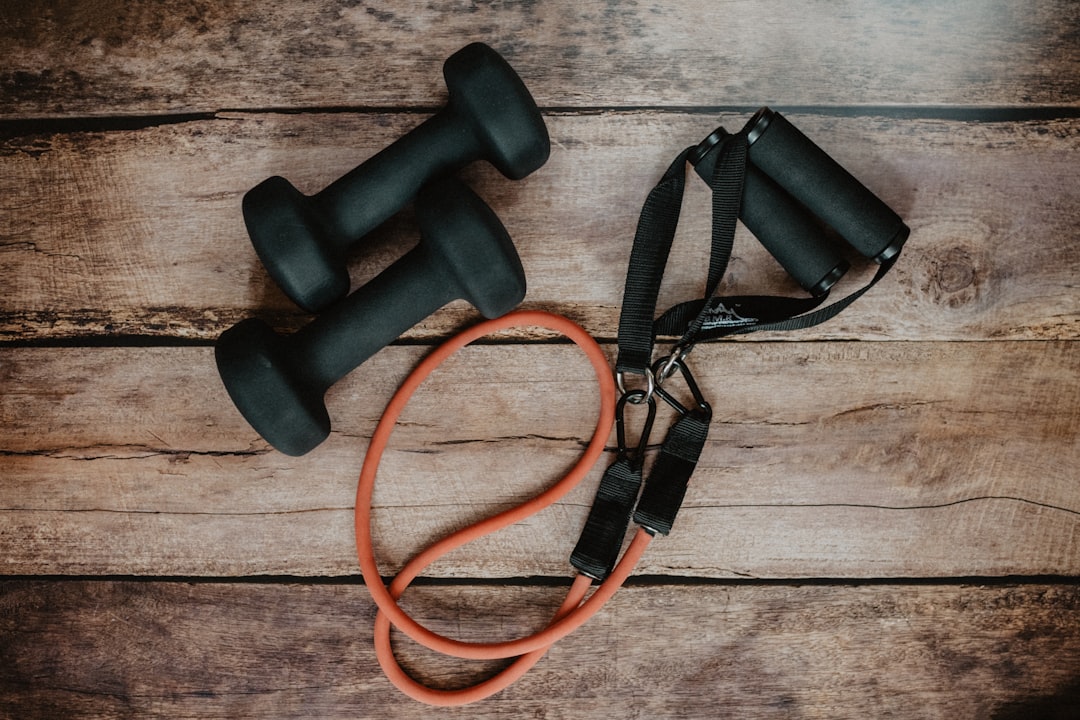
Minimal equipment speeds progress but isn’t required. Consider one set of resistance bands, a pair of light dumbbells (3–10 lbs depending on strength), and an exercise mat. For buying or browsing appropriate exercise gear and small fitness items, check the Sports and Outdoors category.
5. Keep workouts short, consistent, and progressive
Begin with 15–25 minute sessions 3 times per week and gradually increase frequency or duration. Progression can be simple: add a set, increase reps, reduce rest, or choose a harder variation. Tracking small improvements builds confidence and sustainable habits.
6. Prioritize form and movement quality
Correct form prevents injuries and ensures exercises work the intended muscles. Move slowly enough to control each rep. Use a mirror or record yourself briefly to check alignment: knees tracking over toes in squats, neutral spine in planks, and full range of motion in lunges and bridges. When in doubt, pick an easier variation and master it before advancing.
7. Dress for comfort and safety
Proper clothing and footwear can make workouts more comfortable and reduce the risk of slips or chafing. Moisture-wicking tops, supportive shoes for standing cardio, and non-slip socks or bare feet for floor work are practical choices. Explore suitable apparel options in the Clothing, Shoes and Jewelry category if you need ideas for comfortable workout wear.
8. Fuel recovery with smart nutrition and supplements
A balanced diet supports energy and recovery. Prioritize proteins, whole grains, fruits, vegetables, and adequate hydration. If you use supplements for general support, choose reputable basics like vitamin D, protein powder, or a multivitamin as needed. For general supplement options, see Vitamins, Minerals and Supplements. Note: supplements are optional and not a substitute for whole foods.
9. Build accountability and variation
Consistent adherence beats perfect workouts. Build accountability with a schedule, a workout buddy, calendar reminders, or short self-challenges. Change a variable every 3–6 weeks—exercise order, rep ranges, or workout format (strength, circuit, HIIT)—to avoid plateaus and keep training interesting.
10. Safety tips and common beginner mistakes
Listen to your body: mild muscle soreness is normal, sharp pain is not. Avoid these common mistakes:
- Rushing through reps and sacrificing form for speed.
- Skipping warm-ups or cool-downs.
- Trying to progress too quickly (too much weight, too many reps, too soon).
- Neglecting rest days—recovery matters as much as training.
Quick checklist for each home session
- 5–7 minute warm-up (joint mobility + light cardio)
- Main work: 15–25 minutes (2–4 exercises, 2–3 sets each)
- 1–2 minutes of rest between sets (adjust to fitness)
- 2–5 minute cool-down: stretching and deep breaths
- Hydrate and note one small progress point
FAQ
-
How often should a beginner exercise at home?
Start with 3 sessions per week and add a day every 2–4 weeks as you adapt. Include at least one full rest or active recovery day weekly.
-
Do I need equipment to get results?
No. Bodyweight training can build strength and conditioning. Equipment like bands or dumbbells adds resistance variety but is optional.
-
What if I have limited space?
Choose exercises that fit the area (planks, push-ups, squats, lunges, band work). A cleared corner with a mat is sufficient for most beginner sessions.
-
How long before I see progress?
Within 4–8 weeks you should notice strength and endurance improvements if you train consistently and progress gradually.
-
Should beginners do cardio or strength first?
It depends on goals. For strength focus, do strength training first. For overall fitness or limited time, combine into short circuits to get both benefits.
Conclusion
Beginner home workouts succeed when they are simple, consistent, and safe. Set up a small space, learn a handful of foundational movements, use minimal equipment if you want, and progress gradually. Track small wins and prioritize recovery—these habits make fitness sustainable.
Practical takeaway: pick three bodyweight exercises today, do two sets of each with control, and schedule your next session on the calendar—small, repeatable steps lead to steady improvement.