

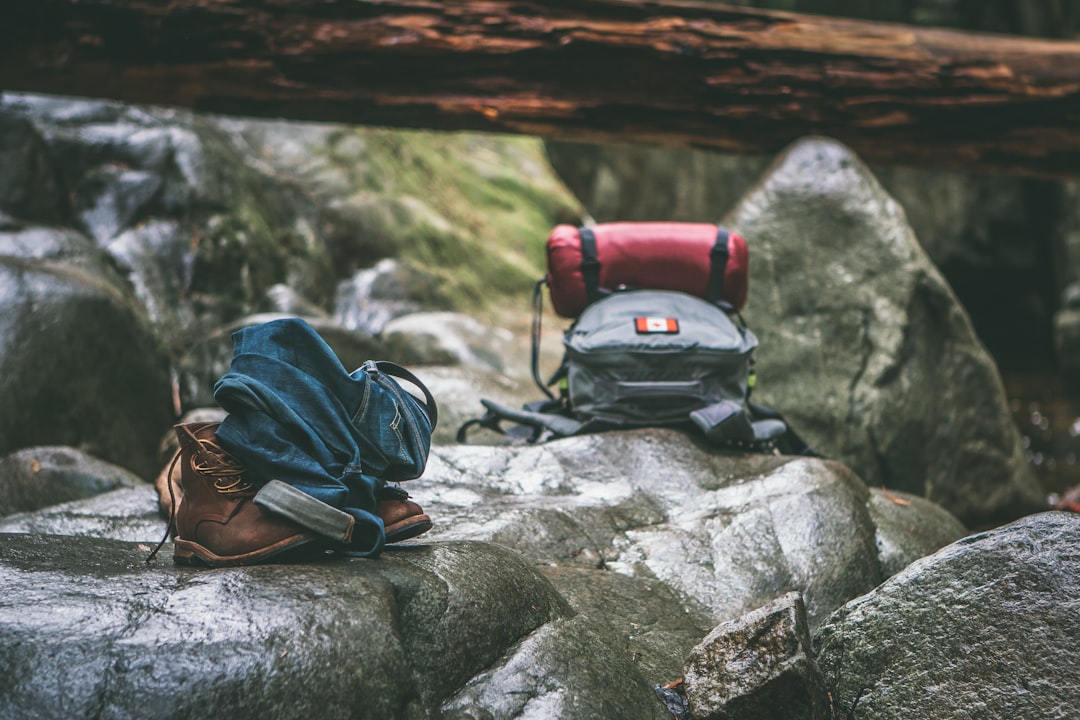
Outdoor Gear Tips for Better Weekend Adventures
Weekend trips are your chance to escape routine and recharge without planning a month-long expedition. With the right gear choices and a few practical habits, you can make short outdoor trips safer, lighter, and more enjoyable.
This guide focuses on straightforward, tactical tips that improve comfort and reduce mishaps — from packing smarter to choosing the right clothing, food, and navigation tools. Use these recommendations to build reliable weekend routines you can repeat season after season.
1. Plan with Purpose
Before you pack, set clear objectives: distance, terrain, elevation, and projected weather. A two-hour hike has different needs than an overnight backcountry trip. Check trail conditions, permits, and daylight hours. Creating a minimum viable plan (route, bail-out points, and expected return time) reduces surprises and informs what gear you must bring.
2. Choose the Right Gear for the Trip
Select items that match trip duration and difficulty. Lightweight, multi-use gear is ideal for weekend outings. Example priorities: a reliable shelter, a compact stove if cooking, a quality headlamp, and comfortable footwear. If you’re still outfitting yourself, browse tested outdoor options to compare tents, packs, and sleeping systems that suit short expeditions.
Find a targeted selection of outdoor-specific gear at the site’s Sports and Outdoors category to match your trip needs.
3. Layering and Clothing: Comfort Trumps Fashion
Adopt a three-layer system: base (moisture management), mid (insulation), and shell (weather protection). For weekend trips you want fabrics that dry fast and compress small — merino or synthetic baselayers, a lightweight insulated jacket, and a rain shell with pit zips. Choose footwear with appropriate tread and support, and always break in new boots before you hike a full day in them.
For a quick refresh or seasonal clothing options, check the Clothing, Shoes and Jewelry collection to pick functional pieces that perform outdoors.
4. Navigation and Small Electronics
Even on short trips, bring redundant navigation: a map and compass plus a charged GPS or smartphone with offline maps. Small electronics that matter most are a headlamp with fresh batteries, a compact power bank, and a phone case that offers extra protection from drops and water. Learn basic map-and-compass skills — electronics fail, but a compass doesn’t.
If you want to compare compact, rugged devices and accessories suitable for outdoor use, consult the Electronics category for options like power solutions and protective cases.
5. Food and Hydration: Efficient Nutrition
Plan simple, calorie-dense meals that require minimal prep: dehydrated dinners, nut butter tortillas, energy bars, and trail mix. Pack breakfast and snacks that are easy to eat on the move. Aim for 300–500 calories per active hour depending on intensity and body size.
Hydration strategy: carry a water filter or treatment tablets for sources you’ll encounter, and start the trip well-hydrated. For comfort, use a lightweight insulated bottle or hydration bladder with an easy-access tube. If you need staples to restock before a trip, browse shelf-stable options in the Pantry Staples category to assemble a dependable weekend food kit.
6. Shelter and Sleep Systems
Even for one-night trips, prioritize a comfortable sleeping setup. A three-season tent paired with a quality sleeping pad reduces heat loss and improves rest. Choose a pad based on R-value for expected temperatures: higher R for colder conditions. A compact pillow or a stuff-sack filled with clothes can make a big difference in sleep quality. If you car-camp, consider a larger tent or cot for added comfort.
7. Tools, Repair Kits, and Minimal First Aid
Carry a small multi-tool, repair tape, spare cord, and basic patch kits for tents or pads. For bikes or paddling, pack spare tubes or a patch kit specific to the equipment. Your first-aid kit should be tailored to your group and activity level — blister care, bandages, antiseptic wipes, and any personal medications. Know how to use each item and practice simple repairs at home so they’re not intimidating in the field.
8. Leave No Trace and Weather Awareness
Follow Leave No Trace principles: pack out trash, minimize campsite impact, and avoid disturbing wildlife. Monitor weather updates before and during your trip; afternoon storms are common in many regions. If severe weather is forecast, reschedule. Simple decisions like choosing a lower-elevation campsite or avoiding exposed ridgelines can be lifesaving when conditions deteriorate.
9. Packing Strategy: Organized and Accessible
Pack so essential items are accessible without unpacking everything: first-aid, rain gear, snacks, headlamp, and navigation. Use stuff sacks and compression sacks to organize clothing and sleeping gear. Arrange heavier items close to your back and centered to maintain balance. Before heading out, do a quick pack shake — if you’re constantly rearranging on the trail, you packed inefficiently.
Quick Checklist
- Navigation: map + compass + charged phone with offline maps
- Clothing: base, mid, shell layers; extra socks
- Shelter: tent, footprint, sleeping pad, sleeping bag
- Food & water: easy meals, snacks, filter or treatment
- Electronics: headlamp, power bank, spare batteries
- Repair & safety: multi-tool, repair tape, small first-aid kit
- Leave No Trace: trash bag, biodegradable soap
FAQ
-
How much should I carry for a one-night trip?
Keep base pack weight (excluding food and water) under 15–20% of your body weight if possible. Prioritize shelter, sleep system, rain protection, and navigation.
-
What’s the best lightweight stove option?
Canister stoves are compact and quick for weekend use; alcohol or small wood stoves work too but require practice and fuel sourcing considerations.
-
Any tips for staying warm without extra weight?
Insulate from the ground with a high-R-value pad and sleep in clean, dry clothes. Use a hat and sleep in layers to trap body heat efficiently.
-
How do I choose a reliable water filter?
Pick a filter that matches your trip length and water sources: pump filters for groups, ultralight filters for solo outings, or chemical treatment for very compact setups.
-
Should I bring a drone for weekend adventures?
Only if drone use is allowed where you are and you’re confident operating it. Drones add weight and responsibility; prioritize safety, privacy, and regulations.
Practical takeaway: focus on a few high-impact choices — reliable shelter, appropriate clothing layers, compact navigation, and simple nutrition. Build a repeatable weekend kit that fits the activities you most enjoy, and refine it after every trip.