

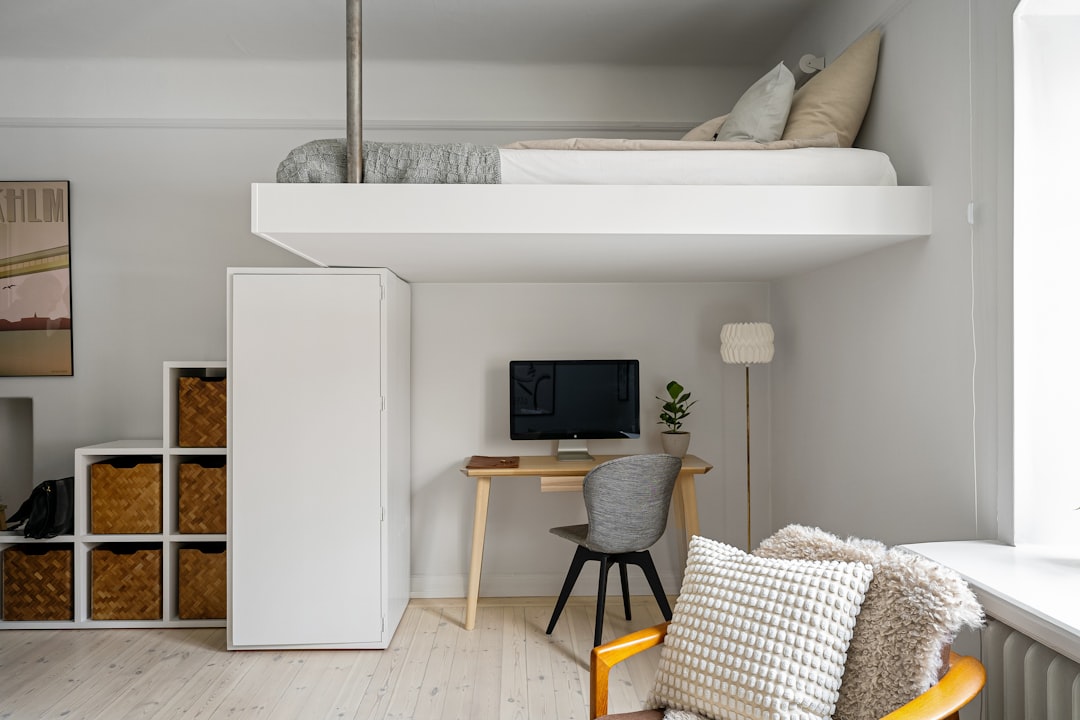
Storage Tips to Make Small Spaces Feel Bigger
Living in a small apartment or a compact home doesn’t mean you have to sacrifice comfort or style. The right storage strategies can open up floor space, reduce visual clutter, and make every room feel larger and more usable.
This post offers practical, actionable storage tips you can implement this weekend. From furniture choices to daily habits, each suggestion focuses on maximizing space and minimizing effort.
1. Maximize Vertical Space
When square footage is limited, think up. Install tall shelving units, floating shelves, or wall-mounted cabinets to keep items off the floor and create a sense of height. Use the space above doors and windows for narrow shelves or racks—these are perfect for books, plants, or display items that draw the eye upward.
For bedrooms and living rooms, consider floor-to-ceiling shelving that frames windows or TV units. Open shelving keeps small spaces from feeling boxed-in, while closed upper cabinets can hide less attractive items.
2. Choose Multipurpose Furniture
Furniture that performs double duty is the backbone of small-space living. Look for beds with built-in drawers, ottomans that open for storage, sofas with under-seat compartments, and coffee tables with shelving. These pieces reduce the need for extra furniture, freeing up sightlines and floor area.
If you’re shopping for pieces that save space, start with well-designed Furniture that combines form and function—bench storage, wall-mounted fold-down desks, and modular units can adapt as your needs change.
3. Declutter with Purpose
Storage works best when what’s stored is deliberately chosen. Run through a quick edit: donate or sell items you haven’t used in a year, recycle packaging and duplicates, and consolidate similar items into single containers. Decluttering reduces the volume you need to store and makes the remaining items easier to access.
Adopt the “one-in, one-out” rule for clothing and small appliances: when you bring a new item home, remove one you no longer need. This prevents accumulation and keeps storage systems functional.
4. Smart Kitchen Storage
Small kitchens demand efficient organization. Use vertical racks, magnetic strips for knives and utensils, and under-shelf baskets to multiply usable space. Clear containers and labels make it easy to spot staples, while stackable bins and nesting cookware save cupboard space.
Think about dedicated zones—baking, prep, snacks—and store items by task rather than by type. If you’re updating or reorganizing kitchen supplies, check ideas and products in the Home and Kitchen category for items that fit compact layouts, like slim storage racks and compact organizers.
5. Organize a Small Home Office
A compact workspace should emphasize vertical storage and clear surfaces. Wall-mounted desks, pegboards, and floating shelves keep the desktop free for work. Use cable management solutions to avoid a tangle of cords that visually shrinks the area.
For paperwork, adopt a simple three-folder system: active, reference, archive. Small drawers or stacked trays make it easy to separate projects without piling papers on the desk. Look for purpose-built organizers in the Office Products selection to keep supplies accessible without cluttering the room.
6. Store Electronics and Accessories Intelligently
Electronics and their accessories can create a lot of visual noise. Use labeled bins for chargers, cables, batteries, and adapters. Keep frequently used devices on a single charging station; tuck backups into clearly marked containers.
For delicate gear and devices, a compact, protective case keeps items safe and stackable. Small, purpose-built cases—like a molded travel bag—make it easy to store drones, cameras, or hobby electronics without wasting space; consider products such as the Storage Bag for DJI Mini 4K as examples of efficient, protective storage.
7. Use “Invisible” Storage and Visual Tricks
Small spaces feel larger when visual clutter is reduced. Use uniform storage containers and neutral colors to create calm, continuous surfaces. Keep the most-used items within arm’s reach and store seasonal or seldom-used things out of sight.
Mirrors, light paint, and consistent flooring will amplify storage choices: a mirrored wardrobe door both conceals clothing and reflects light. Low-profile furniture keeps sightlines open and makes ceilings appear higher.
8. Maintenance Routine: Small Habits, Big Impact
Consistency prevents small spaces from becoming cramped again. Spend 10–15 minutes each evening to return items to their homes, wipe surfaces, and empty out the “landing zone” around doors and counters. A weekly 30-minute tidy can prevent the need for major overhauls.
Labeling, clear containers, and a fixed home for each category of item reduce decision fatigue and make tidying automatic.
Quick Checklist for Making Small Spaces Feel Bigger
- Maximize vertical storage: tall shelves, over-door racks.
- Pick multifunctional furniture with hidden storage.
- Declutter monthly using the one-in, one-out rule.
- Organize kitchen by task and use clear, stackable containers.
- Create a dedicated home office zone with wall-mounted options.
- Use protective cases and labeled bins for electronics.
- Keep color palette neutral and surfaces low-profile.
- Set a daily 10–15 minute tidy habit and a weekly reset.
FAQ
Q: How do I start if I have very little free time?
A: Start with a 15-minute declutter session focused on one zone—an entryway, a drawer, or a shelf. Small wins make larger projects easier.
Q: Are open shelves better than closed cabinets in small spaces?
A: Open shelves create airiness but require maintenance to avoid visual clutter. Closed cabinets hide mess and make the room feel calmer—use a mix based on how tidy you stay.
Q: How can I store seasonal items without losing them?
A: Use labeled, stackable containers and place them in less-used vertical space—top shelves, under-bed storage, or above-closet storage. Keep an inventory list, either digital or on the container.
Q: What’s the best way to manage cords and chargers?
A: Consolidate to a single charging station for daily devices. Use cable ties or sleeves for remaining cords and label each cord by device or location.
Q: Can small apartments benefit from furniture rental or modular systems?
A: Yes—modular systems adapt to changing needs and rental furniture avoids the cost and hassle of moving bulky pieces. Choose items with built-in storage for the best return on space.
Conclusion
Small spaces can feel roomy when storage is intentional. Prioritize vertical solutions, multifunctional furniture, and daily habits that keep things in their place. Start with one change this week—add a charging station, install a shelf, or clear a drawer—and build momentum from there.
Products Featured in This Article

Storage Bag for DJI Mini 4K-Hard Sh…
【Strong & Stable】Carrying Case for DJI Mini 4K/Mini 2/Mini 2 SE, Hard Shell Storage Bag with…