

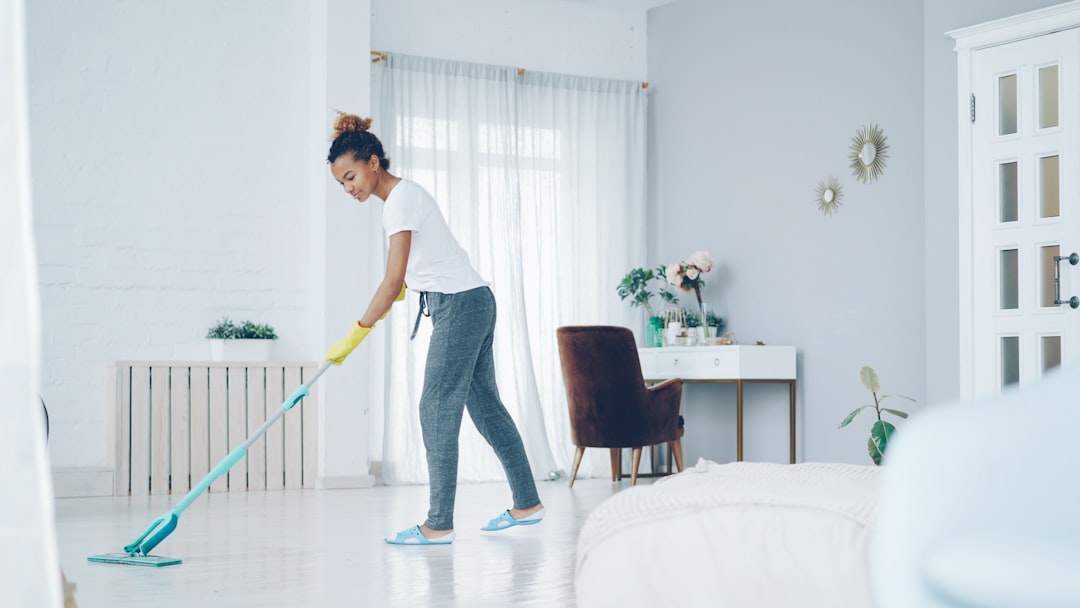
Cleaning Tips for a Fresher and More Organized Home
Keeping a home clean and organized shouldn’t eat your time or energy. With the right plan, realistic habits, and a few targeted tools, you can maintain a fresher living space without long, exhausting cleaning sessions.
This guide gives practical, actionable tips for daily maintenance, room-by-room strategies, decluttering, and choosing supplies so you can spend less time cleaning and more time enjoying your home.
Build a realistic cleaning plan
Create a weekly plan that breaks chores into short, repeatable tasks. Prioritize high-traffic areas (kitchen, bathrooms, entryways) for daily or every-other-day attention, and assign deeper tasks (windows, baseboards, oven) to a weekly or monthly rotation. A simple calendar or checklist reduces decision fatigue and ensures you don’t skip necessary work.
If you need tools or storage solutions to support your plan, browse the Home and Kitchen category for ideas on basics and upgrades that make cleaning easier.
Declutter smartly before you clean
Cleaning is faster and more effective when surfaces are clear. Use the “four-box method”: one box for keep, donate, trash, and relocate. Work in 15–30 minute bursts by zone—a drawer, a shelf, or one countertop—so progress is visible and sustainable.
Long-term organization often means investing in practical storage. Consider multi-use shelving, under-bed bins, or modular units that fit your floor plan and habits; shop durable options under Furniture to convert clutter into accessible, contained storage.
Daily habits that make the biggest difference
Adopt a few short daily routines that prevent mess from accumulating:
- Wipe kitchen counters and stove after cooking.
- Do a 10-minute evening tidy: return items to their homes, sort mail, and run a quick sweep or vacuum of high-traffic floors.
- Keep a small bin or basket in common areas to collect items that belong elsewhere; relocate them once a day.
- Run one load of laundry or empty the dishwasher each day to avoid weekly pileups.
These small actions add up to fewer marathon cleaning sessions and a consistently fresher home.
Room-by-room routine: what to do and when
Tailor chores to each room so nothing is missed. Here are concise, high-impact steps:
- Kitchen: Clear counters, wipe surfaces, clean sink and faucet, spot-clean the floor. Empty the crumbs and check the fridge weekly for expired food.
- Bathroom: Squeegee shower walls after use, wipe sink and mirror, disinfect toilet seat and handle, launder bath mats weekly.
- Living areas: Fluff and rotate cushions, dust surfaces weekly, vacuum or sweep rugs and under furniture monthly.
- Bedrooms: Make the bed daily, store clothes immediately, rotate and wash bedding every one to two weeks.
For kitchen-specific tools, serving ware, and storage that make cleaning and meal prep simpler, check the Kitchen and Dining category for durable, easy-to-clean options.
Choose the right supplies and eco-friendly options
Good supplies speed up work and improve results. Essentials include a microfiber cloth set, an all-purpose cleaner, a concentrated floor cleaner, a scrub brush, a squeegee for glass, and a reliable vacuum or broom. Reusable cloths and concentrated formulas reduce waste and cost over time.
Stock a tidy cabinet or caddy with purpose-specific products so you can grab what’s needed and move room-to-room efficiently. For basics and cleaning products, explore the Household Supplies selection to find consumables and tools that match your preferences.
Deep-cleaning without the overwhelm
Break deep-cleaning into manageable steps and attack one task per session. Examples:
- Month 1: Oven and range hood, behind large appliances, and cabinet fronts.
- Month 2: Carpet spot treatment, shampoo high-traffic rugs, and wipe baseboards.
- Month 3: Clean windows inside and out, wash curtains or vacuum blinds, and clean light fixtures.
Focus on problem areas you’ve noticed—stains, odors, or buildup. Use targeted cleaners and the appropriate tools (scrub brushes, nylon pads, or steam cleaners) rather than over-treating everything at once.
Maintenance for appliances and fabrics
Appliances work better and last longer with routine care. Wipe refrigerators monthly, descale kettles and coffee machines as recommended, and clean dryer lint traps after every load. For upholstery and mattresses, vacuum regularly and spot-clean spills immediately to prevent permanent staining.
Label cleaning intervals on your calendar or set reminders on your phone so these tasks don’t fall off your radar.
Storage and organization strategies that stick
Use these principles when creating systems that will be used long-term:
- Put frequently used items at eye level and in easy-to-reach spots.
- Store like with like—group cleaning supplies, pet items, and pantry goods together.
- Choose transparent or labeled containers so you can see contents at a glance.
- Adopt a “one in, one out” rule for clothes and decor to prevent re-accumulation of clutter.
Small investments in bins, shelf dividers, and drawer organizers can transform a messy shelf into a reliable system and reduce the time you spend searching for things.
Checklist: Quick wins to implement this week
- Declutter one surface (entry table, kitchen counter, or nightstand).
- Implement a 10-minute evening tidy routine for five consecutive nights.
- Restock a small cleaning caddy with microfiber cloths, an all-purpose spray, and a scrub brush.
- Schedule one deep-clean task on your calendar (oven, windows, or carpet spot-clean).
- Label three storage containers or bins to create order in a closet or pantry.
FAQ
How often should I deep clean each room? A: High-traffic rooms like kitchens and bathrooms benefit from monthly deep cleans; living areas and bedrooms can be done quarterly, with spot-cleaning as needed.
What’s the best order to clean a room? A: Start high and work down—dust or clean ceiling fixtures, then shelves and surfaces, finish with floors. This prevents re-cleaning lower surfaces after dust falls.
Can eco-friendly products be as effective? A: Yes—concentrated, purpose-specific eco formulas and microfiber tools often match conventional products for everyday cleaning; for heavy-duty stains, use targeted cleaners recommended for that material.
How do I keep kids and pets from undoing progress? A: Create designated zones with toy bins, hooks, and washable mats. Make tidying a simple, regular routine for kids (e.g., a three-minute pickup) and keep pet supplies accessible and contained.
What’s the easiest way to prevent clutter build-up? A: Daily micro-habits—putting items away immediately, clearing countertops after use, and doing short nightly tidies—are the most effective prevention techniques.
Conclusion
Consistency beats intensity. Implement a few targeted habits, clear clutter first, and equip yourself with the right supplies and storage. Small, repeated actions keep your home fresher and more organized with far less effort over time.