

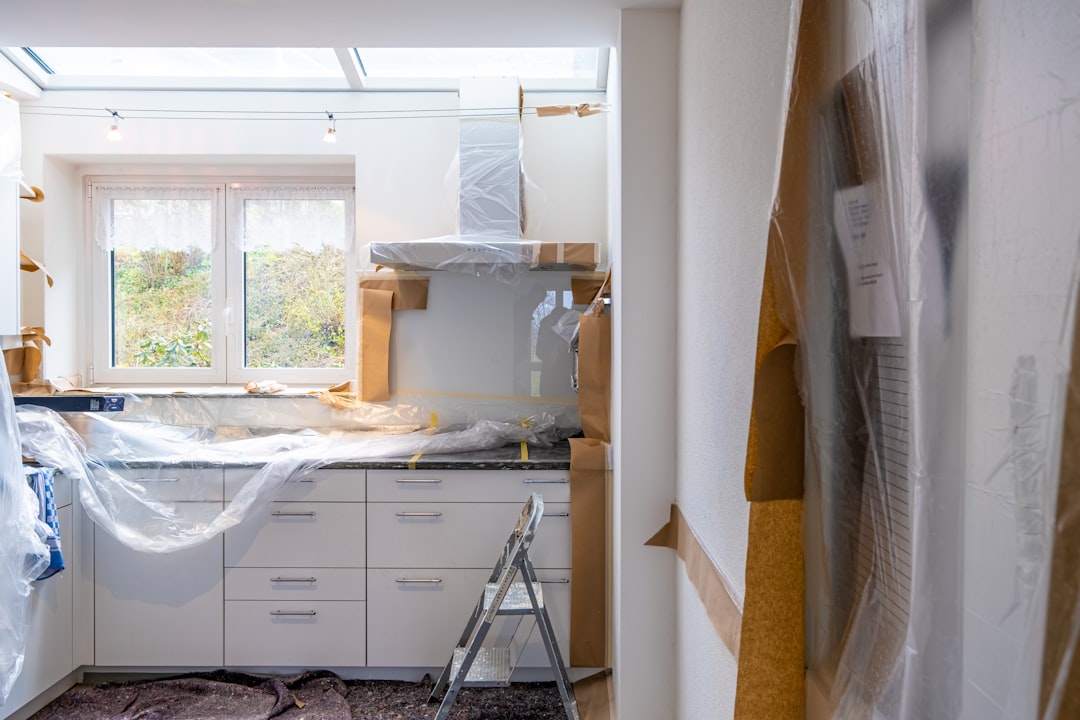
Simple Home Improvement Ideas That Make a Big Difference
Small, focused home improvements can dramatically improve comfort, function, and resale value without a major renovation. The key is choosing projects with high visual or practical impact for relatively low cost and effort.
This guide lists practical, trustworthy ideas you can apply one at a time—most take a few hours or a weekend, use common tools, and deliver noticeable results.
1. Fresh paint and smart trim updates
Repaint a room or just the focal wall to change the mood. Choose neutral tones for broad appeal or a single accent wall to add depth. Don’t skip proper prep: clean surfaces, repair holes, sand glossy spots, and use painter’s tape for crisp lines.
Trim updates—replacing dated baseboards or repainting existing trim in a semi-gloss white—create a polished look. If you’re short on time, repainting doors and hardware can have an outsized effect.
2. Refresh your lighting
Lighting changes quickly alter perception of space. Replace old, dim fixtures with brighter, energy-efficient LED options. Add layered lighting: ambient (overhead), task (kitchen counters, reading areas), and accent (wall or shelf lights) to make spaces feel larger and more functional.
For fixtures and smart bulbs, check reliable options in the Electronics category—upgrading to daylight-balanced LEDs can cut energy bills and improve how colors appear in your home.
3. Declutter, organize, and swap hardware
Decluttering is the cheapest makeover: remove unused items, donate what you don’t need, and store seasonal goods. Then, update visible hardware—drawer pulls, cabinet knobs, door handles—to a consistent finish (matte black, brushed nickel, or brass) for a cohesive look.
Functional organizers (pantry racks, closet systems, drawer dividers) make storage feel intentional. Stock up on cleaning and organizing basics from household supplies to maintain order after you finish.
4. Kitchen refreshes that cost little but look expensive
You don’t need a full remodel to modernize a kitchen. Key moves: replace cabinet hardware, add under-cabinet lighting, re-caulk the sink and backsplash lines, and install a new faucet. These changes update both form and function.
If cabinets are in good shape, consider painting doors a contemporary color and replacing outdated countertops only where heavily worn. For kitchen-specific tools and accessories that help complete small updates, browse Kitchen and Dining resources.
5. Small bathroom improvements that boost comfort
Bathrooms provide big returns for small investments. Replace old showerheads with water-efficient, higher-pressure models, regrout or touch up grout lines, swap out towel bars and toilet paper holders, and update lighting over the vanity.
If a full vanity swap isn’t feasible, paint the vanity, replace the mirror with a framed one, and install a new faucet for a noticeably newer look. Add a non-slip mat and proper ventilation to protect your updates.
6. Make the most of furniture and layout
Room layout impacts perceived space and flow more than most decorative choices. Move furniture away from walls to create conversational groupings, or angle a chair to open a sightline. Remove one large item to make the room breathe and add a statement rug to anchor the space.
If you need a few pieces to complete the layout, shop intentional, multi-use furniture (storage ottomans, shelving units, benches). Consider browsing the Furniture category for compact, functional pieces that fit small swaps.
7. Boost curb appeal with minimal effort
First impressions matter. Tidy the entry: repaint or refinish the front door, replace the house numbers and mailbox if worn, add potted plants, and lay a new doormat. Power-wash siding, walkways, and the driveway to remove grime.
Outdoor lighting on timers and a fresh coat of exterior paint or stain on visible surfaces increases curb appeal without the cost of structural changes. Planting low-maintenance shrubs or replacing old mulch refreshes landscaping quickly.
8. Smart home basics that improve daily life
Small smart-home installs pay back through convenience and safety. Install a programmable thermostat, smart door locks, video doorbells, or plug-in smart outlets. Start with one or two devices you’ll use every day.
Smart sensors for smoke, CO, and water leaks offer protection and peace of mind with minimal installation time. Integrate devices gradually so you learn the system and avoid over-complicating routines.
9. Flooring touch-ups and area rug strategies
Flooring defines a room. If replacing floors isn’t possible, clean and refinish hardwood, deep-clean carpets, or use large area rugs to hide wear and add warmth. Rugs also help zone open layouts and introduce color or texture.
Adhesive floor patches and grout pens fix small imperfections in tile or linoleum. For rental-friendly solutions, consider interlocking floor tiles or peel-and-stick options that upgrade the look without permanent changes.
Quick checklist before you start
- Identify one goal room and write down 3 priorities (function, look, budget).
- Measure and photograph the space—before photos guide decisions.
- Set a fixed budget for materials and a realistic timeline (weekend vs. multi-week).
- Buy quality hardware and consumables (paint, caulk, lighting) to avoid quick rework.
- Plan follow-up maintenance: cleaning schedule, seasonal checks, and replacement intervals.
FAQ
- Q: Which project gives the best ROI for resale?
A: Kitchens and bathrooms typically offer the best return; even small updates like hardware, faucets, lighting, and fresh paint help significantly. - Q: How do I pick paint colors that won’t go out of style?
A: Stick to warm or cool neutrals for primary spaces; add trendier accent colors in accessories that are easy to swap. - Q: Can I replace light fixtures myself?
A: Yes, if you’re comfortable turning off power and following instructions; otherwise hire a licensed electrician for hardwired or complex installs. - Q: What’s the most cost-effective way to update cabinets?
A: Repaint doors and replace hardware. If cabinet boxes are worn, consider refacing or replacing just the doors. - Q: How often should I deep-clean and maintain small upgrades?
A: Deep-clean kitchens and bathrooms quarterly, check seals and hardware annually, and replace bulbs or batteries as needed.
Practical takeaway: pick one small project, gather the right materials, and commit a single weekend. Measured, targeted changes—paint, lighting, hardware, or smart devices—deliver the most visible payoff with the least disruption.