

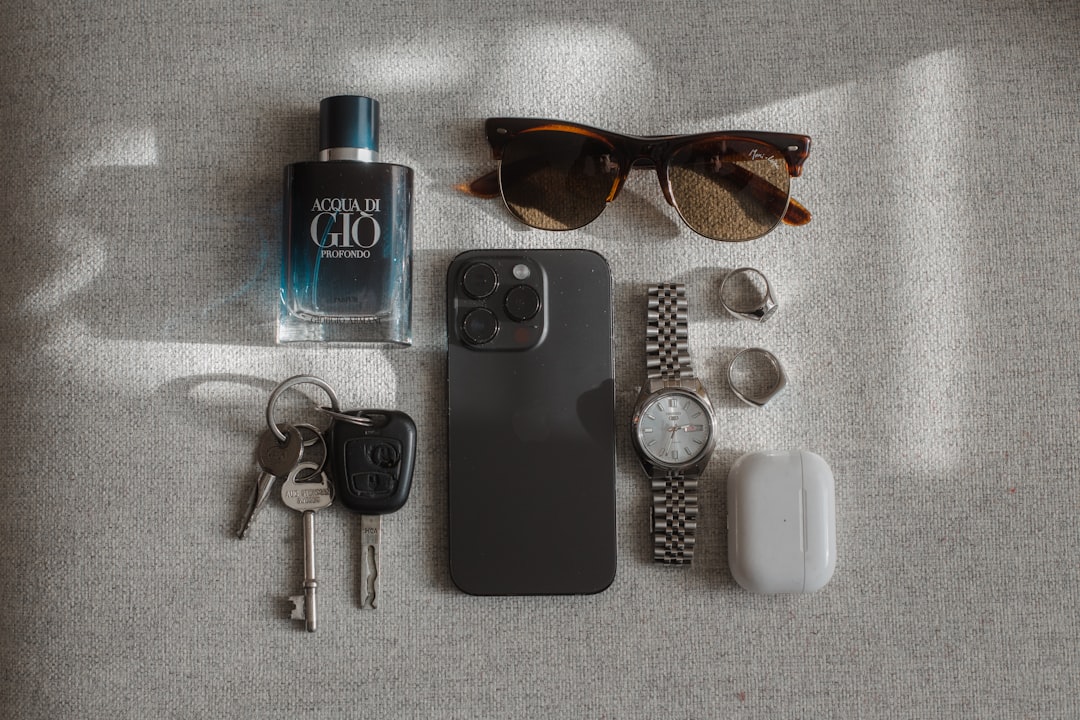
How to Choose Useful Travel Essentials for Any Trip
Choosing travel essentials isn’t about buying every gadget on a shelf — it’s about selecting items that solve predictable problems, save space, and adapt to different trip types. Whether you’re weekending in a city, camping in the wilderness, or traveling for work, a practical kit reduces stress and keeps you focused on the trip.
This guide walks through decision steps and recommended categories so you can assemble a compact, high-utility travel set for any journey.
Start with trip purpose, duration, and environment
Before shopping or packing, clarify three things: why you’re going, how long you’ll be gone, and what conditions you’ll face (city, beach, cold, humid). These answers should drive every choice. For example, short business trips favor wrinkle-resistant clothing and a charging kit; a remote hiking trip prioritizes first-aid and durable layers.
List non-negotiables tied to your itinerary (presentations, charging needs, weather protection) and prioritize items that serve more than one purpose.
Choose versatile clothing and footwear
Pack pieces that layer, mix, and dry quickly. Neutral colors that coordinate let you create more outfits with fewer items. Opt for fabrics that resist wrinkles and moisture.
For product selection and sizing options, browsing a curated clothing category helps you compare travel-appropriate pieces like compressible jackets, wrinkle-free shirts, and multi-use shoes. See options for travel-friendly apparel at versatile travel clothing.
Pick the right luggage and organization tools
Your bag choice dictates what you can bring. For short trips, a carry-on or a well-organized backpack is faster and more reliable than checked luggage. Look for durable zippers, compartments, and a lockable main compartment if you’ll be in transit frequently.
Use packing cubes to compress and separate clean vs. dirty clothes. A slim toiletry pouch, cable organizer, and a lightweight foldable tote for day use will cut clutter and speed up airport security checks.
Prioritize electronics and power solutions
Identify which devices you actually use daily (phone, earbuds, camera, laptop/tablet) and carry only essential chargers and adapters. A multi-port USB charger and a compact power bank (20,000mAh for long days, smaller for carry-on) are more useful than multiple single chargers.
Consider lightweight or multi-function devices (e.g., a phone with a good camera instead of a separate camera). For a quick look at travel-ready gadgets and accessories, check the selection under travel electronics.
Streamline toiletries and personal care
Choose multi-use and travel-sized items: a two-in-one shampoo/conditioner, a moisturizer with SPF, and a small deodorant stick. Transfer liquids into leak-proof travel bottles and label them clearly. Bring a reusable silicone toiletry bottle to reduce waste and avoid spills.
If you need specific beauty or grooming products on the road, review compact and travel-safe options at travel-sized personal care. Prioritize items that maintain your routine without taking up much space.
Include health, medications, and hygiene supplies
Keep a small, organized health kit with prescription medications (in original packaging if possible), basic over-the-counter remedies for pain/fever, blister bandages, antihistamines, and any condition-specific items. Add hand sanitizer, a travel tissue pack, and a compact thermometer if you travel frequently.
For replenishable items like first-aid basics or disposable hygiene supplies, refer to a trusted household health category for the types you’ll restock: health essentials.
Plan food, snacks, and on-the-go hydration
Pack portable, shelf-stable snacks that deliver energy without mess: nuts, jerky, granola bars, and dried fruit. A collapsible water bottle or insulated bottle keeps you hydrated and reduces purchases in transit. If you have dietary needs, bring single-serve supplements or meal bars to bridge gaps.
For international travel, consider small, sealed portions to avoid customs issues. Keep snacks accessible in your day bag for long transits or unpredictable schedules.
Secure documents, money, and small valuables
Use a slim travel wallet or a neck pouch for your passport, cards, and emergency cash. Carry digital copies (securely stored) of IDs, itinerary, and insurance. Split payment methods—don’t keep all funds or cards in one place.
Photograph critical documents and upload them to an encrypted cloud or email them to yourself for quick retrieval if something is lost or stolen.
Packing strategies that save space and sanity
Roll soft garments and fold structured pieces. Place heavier items near the bag’s center. Reserve an exterior pocket for items you need during travel: passport, phone, charging cable, and a small snack. Use compression bags only when they don’t risk crushing delicate items or exceeding weight limits.
Finalize by laying out everything you intend to bring and remove 20%: most trips tolerate a leaner kit more than an overpacked one.
Quick packing checklist
- 1–2 versatile bottoms and 3–5 tops that coordinate
- Lightweight jacket or layer appropriate to climate
- Comfortable shoes and one dressier option if needed
- Phone, chargers, power bank, and essential cables
- Toiletry pouch with travel-sized personal care items
- Small health kit and prescription meds
- Collapsible water bottle and 2–3 portable snacks
- Passport/IDs, backup digital copies, credit card split
- Packing cubes and a lightweight day bag
FAQ
How do I decide between checked luggage and carry-on?
Choose carry-on for trips under a week or when you need speed and flexibility. Check a bag if you need specialized equipment, bulkier clothing, or are staying longer.
What’s the best way to carry liquids and prevent leaks?
Use leak-proof, TSA-compliant travel bottles, pack them in a zip-top plastic bag inside your toiletry pouch, and place the pouch in the center of your luggage.
How many electronics should I bring?
Bring only what you use daily. If your phone handles photos, navigation, and communication, you may skip a separate camera. A single multi-port charger and a compact power bank cover most needs.
How can I save space while packing shoes?
Wear the bulkiest pair during travel, stuff socks or small items inside shoes placed along the edges of your bag, and limit yourself to two pairs plus flip-flops if necessary.
What are smart items to buy once I arrive?
Buy bulky or perishable items locally if it reduces luggage hassle—sunscreen, large toiletries, or local SIM cards are often cheaper or more practical to acquire at destination.
Conclusion — practical takeaway
Travel light by prioritizing multipurpose items that match your trip’s purpose and environment. Build a core kit around clothing, compact electronics, essential personal care, and basic health supplies, then customize for each trip. Keeping your essentials organized and minimal makes travel easier and more enjoyable.