

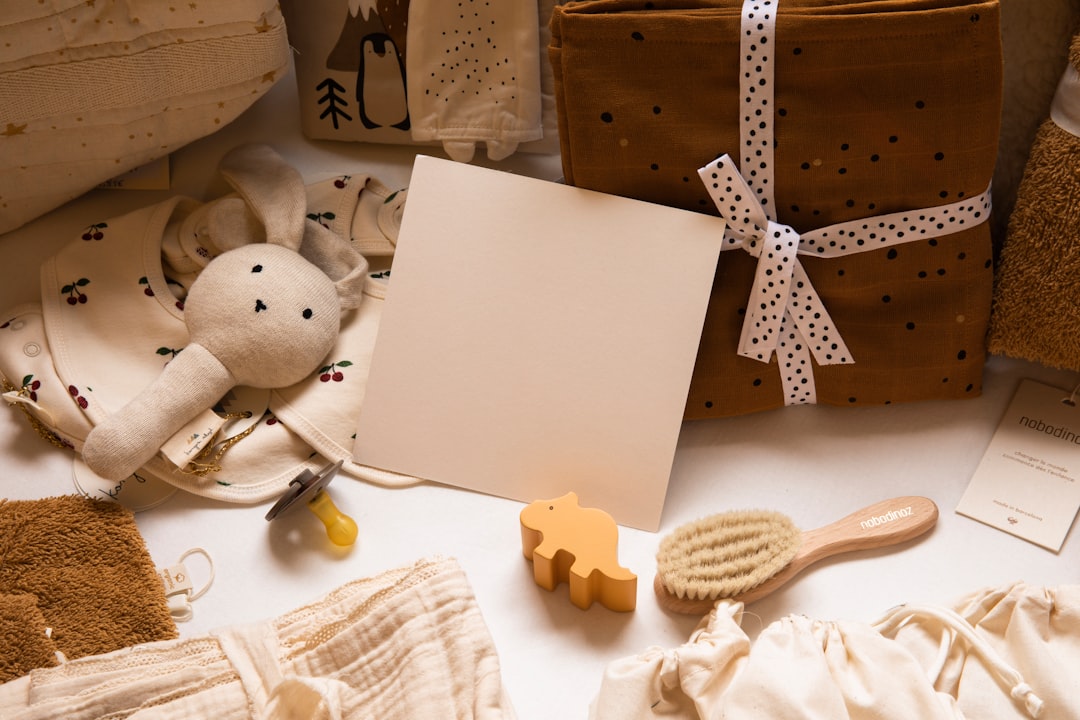
Helpful Baby Essentials to Make Daily Care Easier
Everyday baby care becomes far less stressful when you streamline the essentials. Thoughtful products and simple routines reduce interruptions, save time, and help you respond quickly when your little one needs you.
This guide covers practical items that pay off day after day — from diaper changes to feeding, sleep, travel, and basic health tools. Use it to evaluate what you need now and what can wait.
Nursery organization: set up for fast, calm caregiving
Arrange the changing area, sleep space, and storage so the things you reach for most are within arm’s reach. A compact changing station with drawers keeps diapers, wipes, creams and outfits together, reducing the need to leave the baby unattended.
For broader home solutions—furniture, storage, and multi-purpose pieces—check the Home and Kitchen category to find ideas that suit both nursery and household flow.
Diapering essentials that speed the routine
Prioritize a few durable basics: a firm changing pad, a wipeable mattress cover, absorbent diapers (or cloth supplies), gentle wipes, barrier cream, and a hands-free diaper pail. A small caddy stocked with two days’ worth of supplies keeps mid-change searches to a minimum.
Stocking up on bulk consumables and cleaning supplies is handy — explore the Household Supplies category for frequently used items like wipes and disposable liners that make maintenance simpler.
Feeding essentials for newborns and growing infants
Whether breastfeeding, bottle-feeding, or combining both, a few reliable tools matter: burp cloths, a supportive nursing pillow, several bottles with appropriate nipples, and a bottle brush and sterilizer. For formula-fed babies, an organized formula zone and pre-measured scoops save time at night.
As solids arrive, a compact high chair, bibs, and easy-clean plates become front-line gear — look in Kitchen and Dining for feeding tools and mealtime accessories that simplify cleanup and storage.
Bath time and skin-care basics
A safe bath routine speeds cleanups and soothes fussy babies. Use a non-slip infant tub or a padded bath insert, a gentle tear-free cleanser, soft washcloths, and an absorbent hooded towel. Keep products fragrance-free and minimal to reduce irritation.
After bathing, a lightweight moisturizer or baby oil for dry areas, a soft hair brush, and a silicone nail file for gentle nail care round out the kit. Keep a small bath caddy ready so you can bathe the baby with both hands free.
Sleep aids and safe bedding
Good sleep setups prioritize safety and comfort: a firm crib mattress with a fitted sheet, breathable sleep sacks or swaddles, and room-darkening shades. White noise machines and consistent bedtime cues (bath, feed, story) help babies settle faster and sleep longer.
A nightlight with a low glow and a small, comfortable glider or rocking chair near the crib can make middle-of-the-night feedings and soothing less disruptive and more efficient.
On-the-go and travel: streamline outings
A well-packed diaper bag that’s restocked after each outing prevents last-minute panic. Essentials include diapers, wipes, a changing pad, a spare outfit, a lightweight blanket, and a small first-aid kit. A compact stroller or carrier that folds easily makes travel smoother.
Keep a grab-and-go diaper kit in the car and a miniature version of the diaper bag in your main bag for quick trips. If you travel by air, pack items in clear pouches so TSA checks are faster.
Clothing, layers and quick changes
Choose clothing that supports fast changes: onesies with snaps at the crotch, side-snap tops for delicate necks, and zip sleepers. Keep a couple of outfit sizes on hand: one for home, one for outings. A small basket near the changing area with immediate-size essentials saves time.
Shop smart for everyday baby garments — lightweight, easy-care items and season-appropriate layers are key. Browse the Clothing category for practical basics that withstand frequent washes and speedy dressing.
Health and safety basics every caregiver should have
Keep a compact health kit with a digital thermometer, nasal aspirator, baby-safe pain reliever (as recommended by your pediatrician), bandages, and a soft-bristled toothbrush. A well-stocked kit helps you respond calmly to common issues.
Also consider a baby monitor (audio or video) and firm adherence to safe sleep guidelines. For questions about supplements or over-the-counter products, consult trusted resources and your child’s provider rather than relying on product claims.
Small habits that multiply convenience
Adopt routines that reduce decision fatigue: a weekly laundry station for baby clothes, a labeled drawer for feeding versus bathing supplies, and bulk-buying consumables you use daily. Rotate stocked bottles and pacifiers so everything is clean and ready.
Quick checklist for daily baby care
- Changing station: pads, diapers, wipes, cream, pail
- Feeding zone: bottles or nursing pillows, burp cloths, sterilizer
- Bath kit: infant tub, gentle cleanser, towels
- Sleep setup: firm mattress, fitted sheets, swaddles/sleep sacks
- On-the-go bag: diapers, spare clothes, changing pad, first-aid essentials
- Health kit: digital thermometer, aspirator, nail care tools
- Clothing rotation: easy-change sleepers and season-appropriate layers
- Organization habit: restock after each outing and after laundry
FAQ
-
What are the absolute must-haves for a newborn?
At minimum: diapers and wipes, a safe sleep surface with fitted sheets, clothes that are easy to change, feeding supplies (bottles or nursing support), a thermometer, and a car seat for travel.
-
How many diapers should I have on hand?
Newborns can use 8–12 diapers per day. Keep at least a week’s supply on hand when possible, plus wipes and a small travel kit for outings.
-
How can I make nighttime changes easier?
Keep a night caddy with diapers, wipes, a changing pad, and a low-wattage nightlight by the bed or changing station to limit stimulation and speed the process.
-
When should I introduce solids and new feeding gear?
Most babies start solids around 4–6 months. Begin with small quantities, a high chair or booster when the baby can sit with support, and simple utensils and bowls designed for infants.
-
Which skincare products are safe for daily use?
Choose fragrance-free, hypoallergenic products formulated for infants. Use a gentle cleanser and a light moisturizer when needed; patch-test new products before widespread use.
Practical takeaway: focus on a compact set of durable, easy-to-clean essentials that you use every day. Organize them within arm’s reach, restock after outings, and streamline routines so small tasks don’t add up into big stressors. Consistent setup and simple habits make daily care manageable and predictable.